Running a startup is exciting, but it can quickly become overwhelming. Founders juggle product development, customer support, marketing campaigns, investor relations, hiring, and daily operations—all at the same time.
Without a structured workflow, teams often face:
- Missed deadlines
- Communication breakdowns
- Project delays
- Resource waste
- Reduced productivity
This is why choosing the right project management software for startup founders has become a critical business decision.
Modern project management platforms help startup teams organize tasks, automate workflows, monitor progress, collaborate remotely, and scale efficiently. Whether you’re a solo founder or managing a rapidly growing team, the right software can significantly improve execution and business growth.
This comprehensive guide explores everything startup founders need to know about project management software, including key features, benefits, implementation strategies, and best practices.
Why Startup Founders Need Project Management Software
Startups operate differently from large enterprises.
Unlike corporations with established departments and processes, startups move fast and constantly adapt to market feedback.
Common startup challenges include:
1. Limited Resources
Most startups operate with small teams and constrained budgets.
Project management software helps maximize productivity without increasing headcount.
2. Rapid Growth
As startups scale, tracking tasks manually becomes impossible.
A centralized system keeps everyone aligned.
3. Remote Teams
Many startups hire talent globally.
Project management platforms provide real-time collaboration regardless of location.
4. Multiple Projects
Founders often manage:
- Product development
- Marketing campaigns
- Customer onboarding
- Investor updates
- Recruitment
A dedicated system prevents projects from falling through the cracks.
Benefits of Project Management Software for Startup Founders
Improved Team Collaboration
Effective collaboration is essential for startup success.
Project management software provides:
- Shared workspaces
- Team discussions
- File sharing
- Task assignments
- Real-time updates
Everyone stays informed without endless email chains.
Better Task Organization
Founders can break large projects into manageable tasks.
Examples:
Product Launch
- Market research
- UI design
- Development
- Testing
- Marketing campaign
- Customer support setup
Each stage can be tracked individually.
Enhanced Accountability
Every task has:
- Assigned owner
- Deadline
- Priority level
- Progress status
This transparency increases responsibility and execution speed.
Faster Decision Making
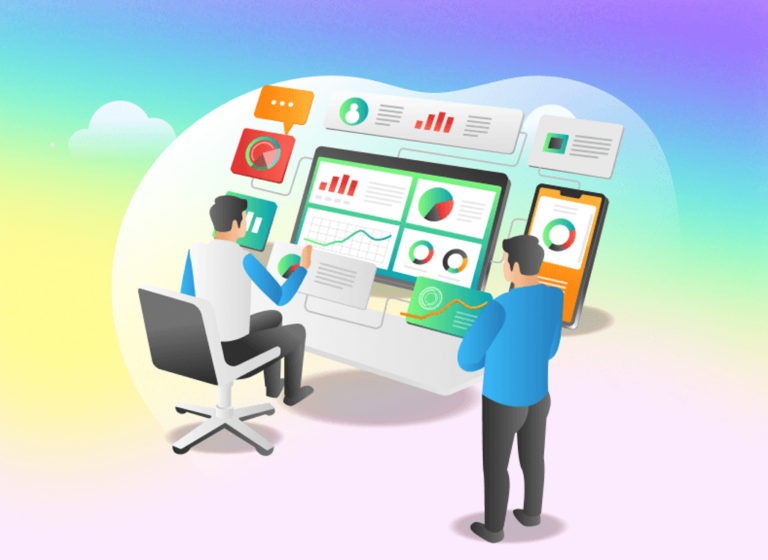
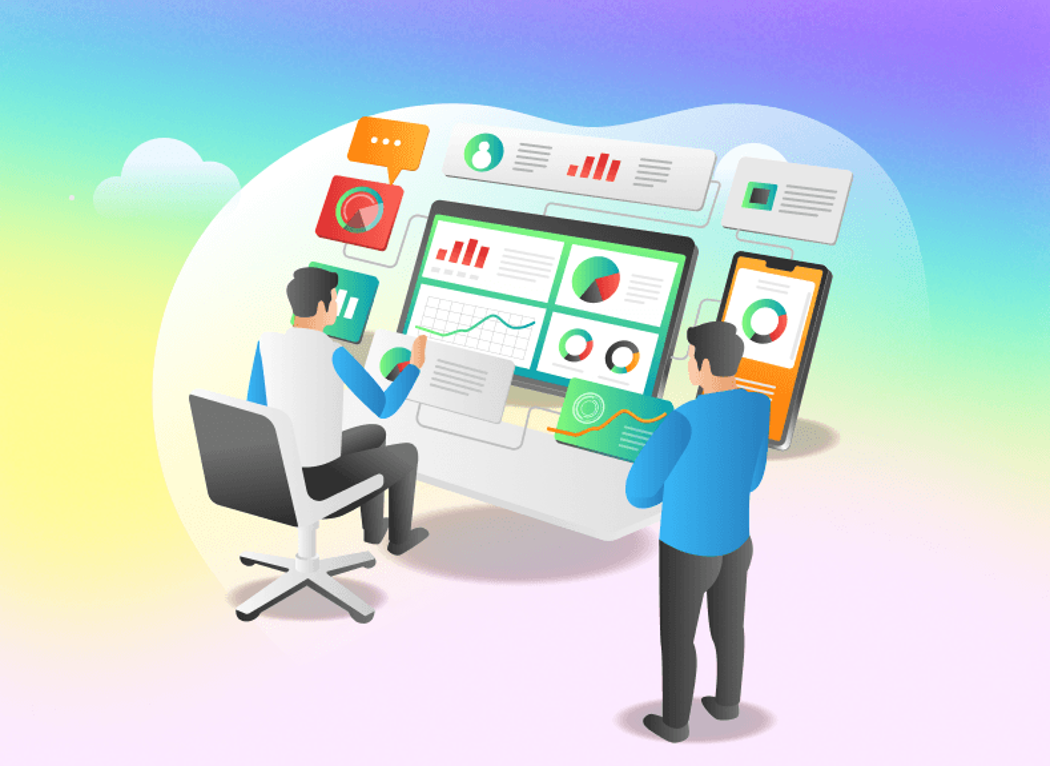
Dashboards provide real-time visibility into:
- Team workload
- Project completion rates
- Resource allocation
- Bottlenecks
Founders can make data-driven decisions quickly.
Increased Productivity
Automation reduces repetitive administrative work.
Examples include:
- Recurring tasks
- Status updates
- Deadline reminders
- Workflow triggers
Teams spend more time creating value.

Essential Features Startup Founders Should Look For
Choosing software solely based on popularity is a mistake.
Instead, focus on features that support startup growth.
Task Management
Core functionality should include:
- Task creation
- Assignment
- Prioritization
- Deadlines
- Progress tracking
This forms the foundation of project execution.
Kanban Boards
Kanban boards provide visual workflow management.
Typical stages:
- Backlog
- To Do
- In Progress
- Review
- Completed
This approach is especially useful for agile startups.
Team Collaboration
Look for:
- Comments
- Mentions
- Notifications
- Shared documents
Communication should happen where work occurs.
Time Tracking
Understanding where time is spent helps improve efficiency.
Time tracking supports:
- Productivity analysis
- Client billing
- Resource planning
Automation
Automation can save hundreds of hours annually.
Useful automations include:
- Automatic task assignments
- Workflow approvals
- Recurring projects
- Status changes
Reporting and Analytics
Founders need performance visibility.
Reports should include:
- Project progress
- Team productivity
- Deadline compliance
- Resource utilization
Mobile Access
Modern founders work everywhere.
A strong mobile application ensures:
- Task updates
- Notifications
- Team communication
from any location.
Types of Project Management Methodologies
Different startups use different management frameworks.
Understanding these methodologies helps select the right software.
Agile
Agile focuses on:
- Flexibility
- Continuous improvement
- Customer feedback
Best for:
- SaaS startups
- Software companies
- Product development teams
Scrum
Scrum divides work into short cycles called sprints.
Benefits include:
- Faster releases
- Clear priorities
- Better accountability
Popular among technology startups.
Kanban
Kanban emphasizes workflow visualization.
Advantages:
- Simplicity
- Transparency
- Continuous delivery
Ideal for lean teams.
Waterfall
Waterfall follows sequential project phases.
Best for:
- Construction projects
- Manufacturing
- Structured implementations
Less common among startups.

Best Project Management Software Categories
All-in-One Project Management Platforms
These solutions combine:
- Task management
- Collaboration
- Reporting
- Automation
Best for growing startups seeking scalability.
Startup Collaboration Suites
Focus on:
- Team communication
- Shared workspaces
- Knowledge management
Ideal for remote-first organizations.
Agile Development Platforms
Designed specifically for:
- Software teams
- Product roadmaps
- Sprint planning
Useful for technology startups.
Client Project Management Tools
Perfect for:
- Agencies
- Freelancers
- Service-based startups
Support client communication and deliverables tracking.
How Startup Founders Should Implement Project Management Software
Many software implementations fail because teams rush the process.
Follow these steps:
Step 1: Define Business Goals
Identify what problems you want to solve.
Examples:
- Missed deadlines
- Poor communication
- Lack of accountability
Clear goals improve adoption.
Step 2: Standardize Workflows
Create consistent processes.
Examples:
Marketing Workflow
- Content Planning
- Content Creation
- Review
- Publishing
- Analytics
Consistency improves efficiency.
Step 3: Train Team Members
Even simple software requires onboarding.
Training should cover:
- Task creation
- Collaboration features
- Reporting tools
- Automation settings
Step 4: Start Small
Avoid overwhelming your team.
Launch with:
- One department
- One project
- Core features only
Expand gradually.
Step 5: Measure Success
Track key performance indicators:
- Project completion rate
- On-time delivery
- Team productivity
- Customer satisfaction
Evaluate improvements regularly.
Common Mistakes Startup Founders Make
Choosing Complex Enterprise Software
Large enterprise tools often include unnecessary features.
Startups need simplicity and speed.
Ignoring Team Feedback
Software adoption depends on usability.
Include team members in selection decisions.
Over-Automating Processes
Automation should simplify work.
Too many automations create confusion.
Poor Data Organization
Projects should follow clear structures:
- Departments
- Teams
- Priorities
- Milestones
Organization improves visibility.
Project Management Software and Startup Growth
As startups grow from 5 employees to 50 or more, operational complexity increases dramatically.
Project management software helps maintain:
- Alignment
- Transparency
- Efficiency
- Accountability
Scaling without structured systems often results in chaos.
Successful startups typically establish operational frameworks early.
Integrating Project Management Software with Other Tools
Modern startups use multiple applications.
Integration improves efficiency.
Common integrations include:
CRM Platforms
Connect customer data with project execution.
Benefits:
- Better customer onboarding
- Improved sales coordination
Marketing Automation Tools
Integrate campaign management workflows.
Examples:
- Content production
- Lead nurturing
- Campaign launches
Communication Platforms
Connect team discussions with project tasks.
Reduces context switching.
Accounting Software
Link project budgets and expenses.
Provides financial visibility.
Future Trends in Startup Project Management
Artificial Intelligence
AI is transforming project management through:
- Predictive scheduling
- Automated planning
- Risk detection
- Resource optimization
Intelligent Workflow Automation
Future systems will automate increasingly complex workflows.
Benefits include:
- Reduced manual effort
- Faster execution
- Improved consistency
Advanced Analytics
Data-driven startups will gain advantages through:
- Predictive insights
- Performance forecasting
- Resource planning
Hybrid Work Support
Remote and hybrid work models continue growing.
Future software will provide:
- Better collaboration
- Virtual workspaces
- Enhanced communication
How to Choose the Right Project Management Software
Before investing, ask:
Team Size
How many employees use the platform?
Budget
Can costs scale sustainably?
Growth Plans
Will the software support future expansion?
Integration Needs
Does it connect with existing systems?
Ease of Use
Can new employees learn quickly?
Automation Capabilities
Will it reduce manual work?
Reporting Features
Can leadership monitor performance effectively?
Answering these questions helps identify the best solution.
Conclusion
Selecting the right project management software for startup founders can dramatically improve productivity, collaboration, and scalability.
Startups operate in fast-changing environments where execution speed often determines success. A well-implemented project management platform enables founders to organize tasks, streamline communication, automate workflows, and maintain visibility across the entire business.
The best software is not necessarily the most expensive or feature-rich—it is the solution that aligns with your startup’s goals, team size, workflows, and growth strategy.
As AI-powered automation, predictive analytics, and remote collaboration continue evolving, project management software will become even more critical for startup success in 2026 and beyond.