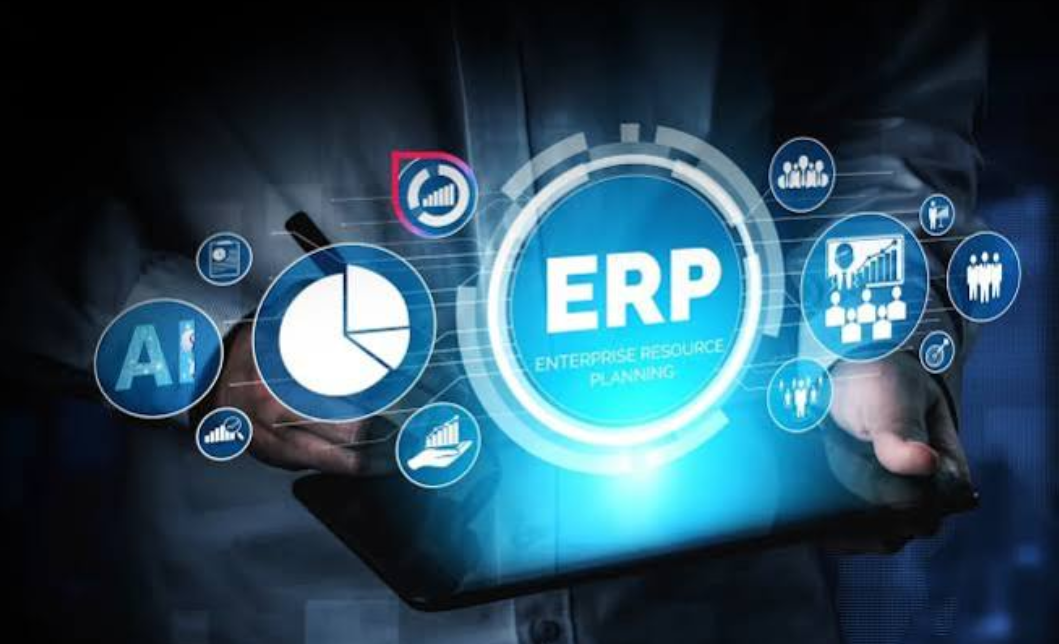
In today’s highly competitive business landscape, organizations must continuously improve efficiency, reduce operational costs, and make smarter decisions faster than ever before. Traditional Enterprise Resource Planning (ERP) systems have long served as the backbone of business operations, integrating finance, supply chain management, human resources, inventory control, customer service, and manufacturing into a unified platform.
However, the rise of Artificial Intelligence (AI) is transforming ERP technology into something far more powerful. Enterprise ERP software with AI automation is enabling organizations to automate repetitive tasks, predict future outcomes, improve decision-making, and achieve unprecedented levels of operational excellence.
From multinational corporations to rapidly growing enterprises, AI-powered ERP systems are becoming essential tools for digital transformation and sustainable growth.
This comprehensive guide explores everything you need to know about enterprise ERP software with AI automation, including key features, benefits, implementation strategies, industry applications, challenges, and future trends.
What Is Enterprise ERP Software?
Enterprise Resource Planning (ERP) software is an integrated business management system that centralizes data and processes across departments.
An ERP system typically manages:
- Financial management
- Human resources
- Supply chain operations
- Procurement
- Manufacturing
- Inventory management
- Customer relationship management
- Project management
- Compliance and reporting
Instead of operating multiple disconnected applications, organizations use ERP platforms to maintain a single source of truth across the entire business.
Benefits include:
- Improved data accuracy
- Better collaboration
- Reduced operational silos
- Enhanced visibility
- Streamlined workflows
As enterprises grow, ERP systems become increasingly critical for maintaining operational efficiency.
Understanding AI Automation in ERP Systems
AI automation refers to the integration of artificial intelligence technologies into ERP platforms to automate decision-making and operational processes.
Unlike traditional automation that follows fixed rules, AI can:
- Learn from historical data
- Recognize patterns
- Predict outcomes
- Adapt to changing conditions
- Recommend optimal actions
Common AI technologies used in ERP systems include:
Machine Learning
Machine learning algorithms analyze large datasets to identify trends and improve predictions over time.
Applications include:
- Demand forecasting
- Inventory optimization
- Fraud detection
- Customer behavior analysis
Natural Language Processing (NLP)
NLP allows users to interact with ERP systems using natural language.
Examples:
- Voice commands
- Chatbots
- AI assistants
- Automated document processing
Predictive Analytics
Predictive models help businesses anticipate future events.
Examples:
- Sales forecasting
- Maintenance scheduling
- Risk assessment
- Budget planning
Robotic Process Automation (RPA)
RPA automates repetitive administrative tasks.
Examples:
- Invoice processing
- Data entry
- Purchase order creation
- Employee onboarding
Why Businesses Need Enterprise ERP Software with AI Automation
Modern enterprises face several challenges:
- Increasing operational complexity
- Rising labor costs
- Data overload
- Supply chain disruptions
- Growing customer expectations
AI-powered ERP systems address these challenges by enabling smarter and faster operations.
Key advantages include:
Faster Decision-Making
AI analyzes data in real time and provides actionable insights.
Executives can:
- Monitor KPIs instantly
- Identify emerging trends
- Make informed decisions faster
Reduced Human Error
Manual processes often result in mistakes.
AI automation minimizes:
- Data entry errors
- Accounting discrepancies
- Inventory inaccuracies
Improved Productivity
Employees spend less time on repetitive tasks and more time on strategic initiatives.
Enhanced Customer Experience
AI helps organizations:
- Predict customer needs
- Personalize services
- Improve response times
Cost Reduction
Automated workflows reduce:
- Administrative costs
- Labor expenses
- Operational inefficiencies

Core Features of AI-Powered ERP Solutions
The best enterprise ERP software with AI automation includes advanced capabilities designed to maximize efficiency.
Intelligent Financial Management
AI can automate:
- Accounts payable
- Accounts receivable
- Expense management
- Budget forecasting
Benefits include:
- Faster financial close cycles
- Improved cash flow visibility
- Better compliance
Smart Inventory Management
AI analyzes historical demand and market trends to optimize stock levels.
Advantages:
- Reduced overstocking
- Lower storage costs
- Minimized stockouts
Automated Procurement
AI streamlines purchasing operations by:
- Recommending suppliers
- Predicting procurement needs
- Monitoring vendor performance
This leads to:
- Better supplier relationships
- Cost savings
- Improved purchasing efficiency
Predictive Maintenance
Manufacturing organizations use AI to monitor equipment health.
The system can predict:
- Component failures
- Maintenance schedules
- Downtime risks
Benefits:
- Increased equipment lifespan
- Reduced maintenance costs
- Higher productivity
AI-Powered HR Management
Human resources departments benefit from:
- Resume screening
- Talent acquisition
- Employee engagement analytics
- Workforce planning
AI helps identify top candidates while reducing recruitment time.
Intelligent Customer Service
ERP systems integrated with AI-powered customer support can:
- Automate ticket routing
- Provide chatbot assistance
- Predict customer churn
- Recommend solutions
This improves customer satisfaction and retention.
Industry Applications of AI ERP Software
Manufacturing
Manufacturers use AI ERP systems for:
- Production planning
- Quality control
- Supply chain optimization
- Predictive maintenance
Benefits include:
- Reduced downtime
- Higher efficiency
- Lower production costs
Retail
Retail companies leverage AI ERP software to:
- Forecast demand
- Manage inventory
- Personalize customer experiences
- Optimize pricing strategies
Healthcare
Healthcare organizations use AI ERP platforms to manage:
- Financial operations
- Procurement
- Staffing
- Resource allocation
Benefits:
- Improved patient services
- Regulatory compliance
- Cost control
Logistics and Transportation
AI ERP systems support:
- Route optimization
- Fleet management
- Demand forecasting
- Warehouse automation
This improves delivery performance and operational efficiency.
Financial Services
Banks and financial institutions use AI ERP solutions for:
- Fraud detection
- Risk management
- Compliance monitoring
- Financial forecasting
Top Benefits of Enterprise ERP Software with AI Automation
Increased Operational Efficiency
AI eliminates bottlenecks and automates routine workflows.
Organizations can achieve:
- Faster processing times
- Better resource utilization
- Improved productivity
Better Forecasting Accuracy
AI-driven predictive analytics helps businesses anticipate future conditions more accurately.
Forecasting areas include:
- Revenue
- Demand
- Inventory
- Workforce requirements
Improved Business Agility
Organizations can respond quickly to:
- Market changes
- Customer demands
- Supply chain disruptions
Enhanced Data Insights
AI transforms raw data into valuable intelligence.
Decision-makers gain:
- Real-time visibility
- Strategic insights
- Performance analytics
Competitive Advantage
Companies using AI-powered ERP systems often outperform competitors through:
- Faster innovation
- Better customer service
- More efficient operations
Challenges of Implementing AI ERP Solutions
Despite the benefits, organizations may encounter implementation challenges.
Data Quality Issues
AI relies on high-quality data.
Poor data can result in:
- Inaccurate predictions
- Ineffective automation
- Operational disruptions
Integration Complexity
Many enterprises operate legacy systems.
Integrating AI ERP platforms with existing infrastructure may require significant planning.
Employee Resistance
Staff may be concerned about:
- Job displacement
- New technologies
- Process changes
Comprehensive training programs are essential.
Cybersecurity Risks
ERP systems contain sensitive business information.
Organizations should invest in:
- Data encryption
- Access controls
- Security monitoring
Initial Investment Costs
Enterprise AI ERP implementations often require substantial investment.
However, long-term ROI frequently outweighs initial expenses.
Best Practices for Successful AI ERP Implementation
Define Clear Business Objectives
Establish measurable goals such as:
- Cost reduction
- Productivity improvement
- Revenue growth
Assess Current Processes
Identify inefficiencies and automation opportunities before implementation.
Ensure Data Readiness
Prepare clean and accurate datasets to maximize AI effectiveness.
Choose the Right ERP Vendor
Consider:
- Industry expertise
- AI capabilities
- Scalability
- Support services
Train Employees Thoroughly
User adoption is critical for success.
Provide:
- Workshops
- Online training
- Ongoing support
Monitor Performance Continuously
Track KPIs to measure ROI and optimize system performance.
Future Trends in Enterprise ERP Software with AI Automation
The ERP industry continues to evolve rapidly.
Several emerging trends are shaping the future.
Generative AI Integration
Generative AI will help organizations:
- Create reports automatically
- Generate forecasts
- Assist decision-making
- Improve productivity
Hyperautomation
Hyperautomation combines:
- AI
- Machine learning
- RPA
- Process mining
The goal is end-to-end business automation.

Autonomous ERP Systems
Future ERP platforms may operate with minimal human intervention.
Capabilities could include:
- Self-correcting workflows
- Automated optimization
- Intelligent decision-making
Advanced Predictive Intelligence
Next-generation AI models will provide:
- More accurate forecasts
- Risk predictions
- Strategic recommendations
Enhanced User Experiences
ERP vendors are focusing on:
- Conversational interfaces
- Voice assistants
- Personalized dashboards
How AI ERP Supports Digital Transformation
Digital transformation is a strategic priority for modern enterprises.
AI-powered ERP systems accelerate transformation by:
- Modernizing operations
- Improving data utilization
- Automating workflows
- Supporting innovation
Organizations gain the ability to:
- Adapt faster
- Scale efficiently
- Improve customer experiences
As digital ecosystems become increasingly complex, AI-enabled ERP platforms will remain central to enterprise success.
Measuring ROI from AI-Powered ERP Investments
Key metrics include:
Financial Metrics
- Revenue growth
- Cost savings
- Profit margin improvements
Operational Metrics
- Process efficiency
- Cycle time reduction
- Productivity gains
Customer Metrics
- Customer satisfaction
- Retention rates
- Service quality
Workforce Metrics
- Employee productivity
- Engagement levels
- Training effectiveness
Tracking these indicators helps justify ERP investments and guide future improvements.
Conclusion
Enterprise ERP software with AI automation is transforming how organizations operate in the digital era. By combining traditional ERP functionality with artificial intelligence, businesses can automate complex processes, improve forecasting accuracy, enhance customer experiences, and make smarter strategic decisions.
Whether managing global supply chains, optimizing manufacturing operations, improving financial performance, or driving digital transformation initiatives, AI-powered ERP systems provide the intelligence and automation modern enterprises need to remain competitive.
As AI technology continues to advance, organizations that adopt intelligent ERP solutions today will be better positioned to innovate, scale, and thrive in the future business landscape.