The rise of remote work has transformed the modern workplace. Organizations worldwide now rely on distributed teams, cloud-based applications, and digital collaboration tools to maintain productivity and business continuity. While remote work offers flexibility and cost savings, it also introduces significant cybersecurity risks.
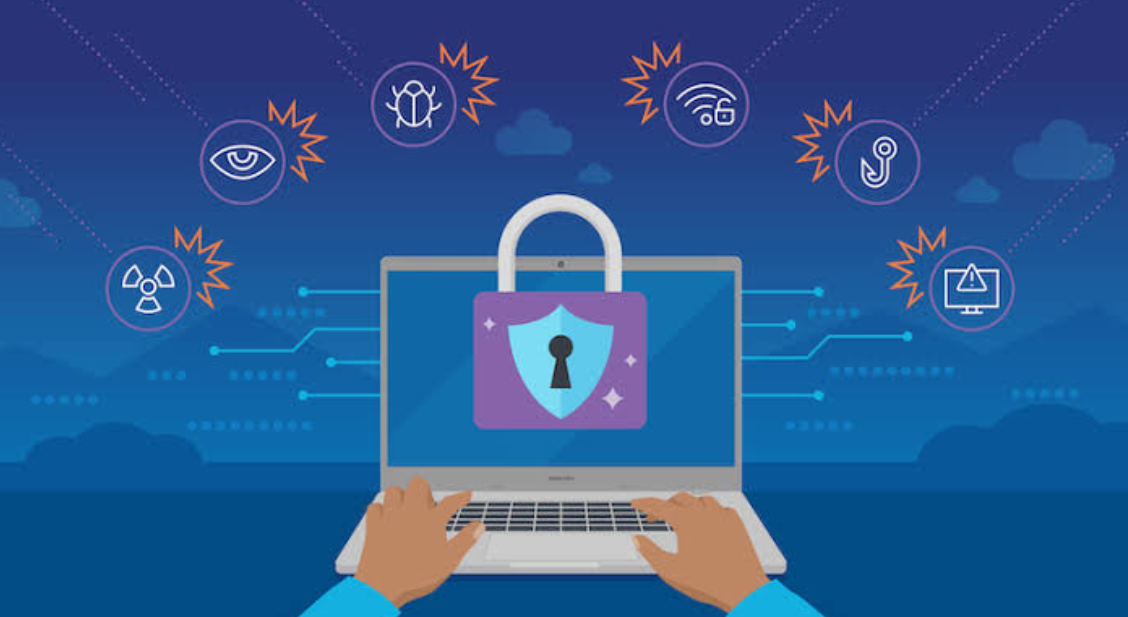
Cybercriminals increasingly target remote employees because home networks, personal devices, and unsecured internet connections often lack enterprise-grade protection. A single compromised device can expose sensitive corporate information, customer data, financial records, and intellectual property.
This growing threat landscape has made cybersecurity solutions for remote employees a top priority for businesses of all sizes. Companies must implement comprehensive security strategies that combine technology, policies, employee awareness, and continuous monitoring.
This guide explores the most effective cybersecurity solutions for remote workers, common threats, best practices, and future trends that organizations should adopt to build a secure remote workforce.
Why Remote Employees Are Prime Targets for Cybercriminals
Remote workers frequently operate outside traditional corporate security perimeters. Unlike office environments with centralized protection, remote employees connect from various locations using different devices and networks.
Common vulnerabilities include:
- Unsecured home Wi-Fi networks
- Public Wi-Fi usage
- Weak passwords
- Personal device usage
- Outdated software
- Phishing attacks
- Lack of security awareness
- Unauthorized cloud application usage
Cybercriminals exploit these weaknesses through sophisticated attack methods designed to steal credentials, deploy malware, and gain unauthorized access to company systems.
The Growing Cost of Cybersecurity Incidents
Data breaches can result in severe consequences:
Financial Losses
Businesses may face:
- Regulatory fines
- Legal expenses
- Recovery costs
- Lost revenue
Reputation Damage
Customers lose trust when organizations fail to protect sensitive information.
Operational Disruptions
Cyberattacks can:
- Shut down business operations
- Interrupt communication systems
- Delay projects
- Impact customer service
Intellectual Property Theft
Remote workers often access confidential documents, making intellectual property a valuable target.
Key Cybersecurity Threats Facing Remote Employees
1. Phishing Attacks
Phishing remains one of the most successful cyberattack methods.
Attackers send fraudulent emails pretending to be:
- Managers
- IT departments
- Banks
- Vendors
- Cloud service providers
The goal is to trick employees into revealing:
- Passwords
- Financial information
- Sensitive business data
Prevention Measures
- Email filtering
- Multi-factor authentication
- Security awareness training
- URL scanning tools
2. Ransomware
Ransomware encrypts files and demands payment for decryption.
Remote workers are often targeted through:
- Malicious email attachments
- Compromised websites
- Fake software updates
Prevention Measures
- Endpoint protection software
- Regular backups
- Security patch management
- Network segmentation
3. Credential Theft
Stolen credentials remain a primary cause of data breaches.
Methods include:
- Keyloggers
- Credential stuffing
- Password spraying
- Phishing campaigns
Prevention Measures
- Password managers
- MFA implementation
- Zero Trust access controls
- Continuous authentication
4. Unsecured Home Networks
Home routers often use weak security settings.
Risks include:
- Unauthorized access
- Device compromise
- Data interception
Prevention Measures
- WPA3 encryption
- Strong router passwords
- Firmware updates
- Network monitoring
5. Insider Threats
Not all threats come from external attackers.
Insider risks include:
- Human error
- Negligence
- Malicious actions
- Unauthorized sharing
Prevention Measures
- Role-based access control
- User activity monitoring
- Security awareness programs

Essential Cybersecurity Solutions for Remote Employees
1. Virtual Private Networks (VPNs)
A VPN encrypts internet traffic between employees and corporate resources.
Benefits include:
- Secure communication
- Data encryption
- Privacy protection
- Reduced interception risks
Key Features to Look For
- AES-256 encryption
- Kill switch functionality
- DNS leak protection
- Multi-device support
VPNs provide a foundational layer of security for remote work environments.
2. Endpoint Detection and Response (EDR)
Endpoints represent one of the largest attack surfaces in remote work environments.
EDR solutions offer:
- Threat detection
- Behavioral analysis
- Malware prevention
- Incident response
Benefits include:
- Real-time monitoring
- Automated threat containment
- Forensic investigation capabilities
3. Multi-Factor Authentication (MFA)
Passwords alone are no longer sufficient.
MFA requires users to provide additional verification such as:
- Authentication apps
- Security tokens
- Biometrics
- SMS verification
Benefits:
- Reduced credential theft risk
- Stronger account security
- Better compliance
4. Zero Trust Security
Zero Trust follows the principle:
“Never trust, always verify.”
Every access request is validated regardless of location.
Core components include:
- Identity verification
- Device validation
- Risk assessment
- Least privilege access
Benefits:
- Reduced attack surface
- Better visibility
- Improved access control
5. Secure Access Service Edge (SASE)
SASE combines networking and security into a cloud-based framework.
Components include:
- Secure web gateways
- Cloud access security brokers
- Zero Trust network access
- Firewall as a service
Benefits:
- Simplified security management
- Scalable protection
- Enhanced performance
6. Cloud Security Platforms
Most remote employees rely heavily on cloud applications.
Cloud security tools provide:
- Data protection
- Access monitoring
- Threat detection
- Compliance support
Key capabilities include:
- Encryption
- User activity monitoring
- Data loss prevention
7. Mobile Device Management (MDM)
Remote workers frequently use smartphones and tablets.
MDM solutions help organizations:
- Enforce security policies
- Manage devices remotely
- Wipe lost devices
- Control application access
Benefits:
- Improved device security
- Better compliance
- Reduced data exposure
Employee Cybersecurity Training

Technology alone cannot eliminate cyber risks.
Employees remain the first line of defense.
Training should cover:
Password Security
Employees should learn:
- Password creation best practices
- Password manager usage
- Credential protection
Phishing Awareness
Training should include:
- Identifying suspicious emails
- Recognizing fake websites
- Reporting phishing attempts
Secure Data Handling
Topics include:
- File sharing procedures
- Data classification
- Encryption practices
Device Security
Employees should understand:
- Software updates
- Antivirus usage
- Device locking
Regular simulations reinforce learning and improve security awareness.
Best Practices for Securing Remote Employees
Enforce Strong Password Policies
Requirements should include:
- Minimum length
- Complexity standards
- Regular updates
- Password manager adoption
Use Company-Owned Devices
Managed devices offer:
- Standardized security settings
- Centralized monitoring
- Faster patch deployment
Keep Software Updated
Organizations should implement:
- Automated patching
- Vulnerability management
- Security updates
Backup Critical Data
Follow the 3-2-1 backup strategy:
- Three copies of data
- Two storage types
- One offsite backup
Restrict Access Based on Roles
Not every employee needs access to every system.
Implement:
- Least privilege principles
- Role-based access control
- Periodic access reviews
Monitor Security Events
Continuous monitoring helps identify:
- Suspicious activity
- Unauthorized access
- Emerging threats
Tools include:
- SIEM platforms
- EDR systems
- Threat intelligence feeds
Compliance Considerations
Many industries face regulatory requirements.
Common frameworks include:
- GDPR
- HIPAA
- PCI DSS
- ISO 27001
- SOC 2
Remote work environments must maintain compliance through:
- Data encryption
- Access controls
- Audit logging
- Employee training
Failure to comply can result in significant penalties.
Building a Remote Work Security Strategy
A successful cybersecurity strategy should include:
Risk Assessment
Identify:
- Critical assets
- Potential vulnerabilities
- Threat exposure
Security Policies
Develop policies covering:
- Remote access
- Device usage
- Data protection
- Incident response
Technology Stack
Deploy:
- VPNs
- MFA
- EDR
- Cloud security
- MDM
Continuous Monitoring
Monitor:
- User behavior
- Device health
- Network activity
Incident Response Planning
Prepare for:
- Data breaches
- Malware infections
- Credential compromises
Clear procedures reduce recovery time and business impact.
Emerging Trends in Remote Work Cybersecurity
AI-Powered Threat Detection
Artificial intelligence improves:
- Threat identification
- Behavioral analytics
- Automated response
Passwordless Authentication
Organizations increasingly adopt:
- Biometrics
- Hardware security keys
- Authentication applications
Secure Browser Technology
Secure enterprise browsers provide:
- Session isolation
- Data protection
- Threat prevention
Extended Detection and Response (XDR)
XDR integrates security visibility across:
- Endpoints
- Networks
- Cloud environments
This delivers faster threat detection and response.
Choosing the Right Cybersecurity Solutions for Remote Employees
When evaluating solutions, consider:
Business Size
Small businesses require cost-effective platforms.
Large enterprises may need advanced capabilities.
Workforce Distribution
Global teams often benefit from cloud-native security architectures.
Compliance Requirements
Industry regulations may dictate specific controls.
Integration Capabilities
Security tools should integrate with existing systems.
Scalability
Solutions should support future growth.

Conclusion
As remote work continues to evolve, organizations must prioritize robust cybersecurity measures to protect employees, customers, and business assets. Cyber threats targeting remote workers are becoming increasingly sophisticated, making proactive security investments essential.
The most effective cybersecurity solutions for remote employees combine multiple layers of protection, including VPNs, endpoint security, multi-factor authentication, Zero Trust architecture, cloud security platforms, employee training, and continuous monitoring.
Businesses that implement comprehensive cybersecurity strategies not only reduce risk but also improve operational resilience, maintain customer trust, and support long-term growth in an increasingly digital world.