In today’s digital-first economy, every small business needs a reliable online presence. Whether you’re running an eCommerce store, a consulting agency, a local service company, or a startup, your website’s performance directly impacts customer trust, search engine rankings, and revenue.
This is where affordable cloud hosting services for small business become essential. Traditional shared hosting often struggles with traffic spikes, security concerns, and performance limitations. Cloud hosting, on the other hand, offers scalability, reliability, and improved speed without requiring enterprise-level budgets.
Many small business owners assume cloud hosting is expensive and complex. However, modern cloud hosting providers have made powerful infrastructure accessible and affordable. With flexible pricing, managed services, automatic backups, and enhanced security, cloud hosting has become the preferred solution for growing businesses.
This comprehensive guide explores everything you need to know about affordable cloud hosting services for small business, including benefits, features, pricing considerations, top providers, and strategies for choosing the right solution.
What Is Cloud Hosting?
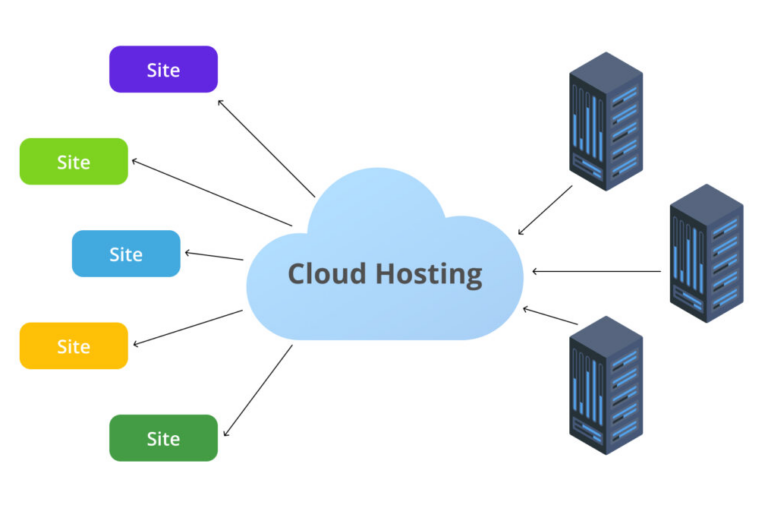
Cloud hosting uses multiple interconnected servers to host websites and applications. Instead of relying on a single physical server, your website resources are distributed across a network of servers.
This setup provides:
- Higher uptime
- Better performance
- Increased security
- Greater scalability
- Flexible resource allocation
When one server experiences issues, another server automatically takes over, reducing downtime and improving reliability.
Why Small Businesses Need Cloud Hosting
1. Cost Efficiency
Small businesses often operate with limited IT budgets. Cloud hosting eliminates the need for expensive hardware investments and ongoing maintenance costs.
Benefits include:
- Pay-as-you-go pricing
- Lower infrastructure expenses
- Reduced maintenance requirements
- No hardware replacement costs
2. Scalability
Business growth can be unpredictable. Cloud hosting allows companies to scale resources instantly.
Examples:
- Handling seasonal traffic spikes
- Launching marketing campaigns
- Expanding product catalogs
- Supporting business growth
3. Reliability
Downtime can lead to lost sales and damaged reputation.
Cloud hosting provides:
- Redundant infrastructure
- Automatic failover systems
- Multiple data centers
- High availability guarantees
4. Security
Cybersecurity threats continue to increase annually.
Cloud hosting providers typically offer:
- Firewalls
- DDoS protection
- SSL certificates
- Malware scanning
- Automatic updates

Key Features to Look for in Affordable Cloud Hosting Services for Small Business
Performance Optimization
Choose providers offering:
- SSD storage
- NVMe drives
- Content Delivery Networks (CDNs)
- Caching technologies
- Optimized server architecture
Managed Services
Managed cloud hosting helps small businesses focus on operations rather than technical maintenance.
Features may include:
- Automatic updates
- Server monitoring
- Security management
- Backup services
- Technical support
Data Backup
Reliable backup systems ensure business continuity.
Look for:
- Daily backups
- One-click restoration
- Off-site storage
- Disaster recovery plans
Customer Support
Quality support is essential.
Ideal support includes:
- 24/7 availability
- Live chat
- Phone support
- Knowledge base
- Technical expertise
Top Affordable Cloud Hosting Providers for Small Businesses
Cloudways
Cloudways offers managed cloud hosting with user-friendly tools.
Advantages:
- Flexible pricing
- Excellent performance
- Multiple cloud providers
- Managed security
- Easy scaling
Best for:
- Agencies
- WordPress websites
- Growing online businesses
Hostinger
Hostinger provides affordable cloud hosting plans for startups and small businesses.
Benefits:
- Budget-friendly pricing
- Fast servers
- Easy management dashboard
- Free SSL certificates
- Daily backups
Best for:
- New businesses
- Small online stores
- Local companies
SiteGround
SiteGround combines performance with excellent customer support.
Features:
- Managed hosting
- Security tools
- Fast loading speeds
- Automatic updates
- Daily backups
Best for:
- Professional websites
- Business blogs
- Service companies
DigitalOcean
DigitalOcean offers affordable cloud infrastructure.
Advantages:
- Developer-friendly
- Transparent pricing
- Flexible resources
- High performance
- Global data centers
Best for:
- Technical users
- SaaS startups
- Developers
Vultr
Vultr is known for performance and global coverage.
Benefits:
- Competitive pricing
- High-speed infrastructure
- Multiple locations
- Scalable resources
- Flexible deployment
Best for:
- International businesses
- Growing websites
- Custom applications
Amazon Web Services (AWS)
AWS remains one of the largest cloud platforms worldwide.
Advantages:
- Enterprise-grade infrastructure
- Massive scalability
- Advanced security
- Global reach
- Extensive service ecosystem
Best for:
- Fast-growing companies
- Complex projects
- Large-scale operations
Cloud Hosting vs Shared Hosting
| Feature | Shared Hosting | Cloud Hosting |
|---|---|---|
| Performance | Moderate | High |
| Scalability | Limited | Excellent |
| Reliability | Lower | Higher |
| Security | Basic | Advanced |
| Downtime Risk | Higher | Lower |
| Resource Allocation | Shared | Dedicated Allocation |
| Traffic Handling | Limited | Flexible |
For serious business websites, cloud hosting generally offers better long-term value.
Benefits of Cloud Hosting for Different Small Business Types
eCommerce Stores
Online stores require:
- Fast checkout pages
- Reliable uptime
- Secure transactions
- Inventory synchronization
Cloud hosting supports all these requirements.
Professional Services
Law firms, accountants, consultants, and agencies benefit from:
- Fast website loading
- Secure client portals
- Reliable email systems
- Professional online presence
SaaS Startups
Software companies require:
- Scalable infrastructure
- API reliability
- Performance consistency
- Global accessibility
Local Businesses
Local companies benefit through:
- Better search rankings
- Faster mobile experiences
- Enhanced customer trust
- Improved conversion rates
SEO Advantages of Cloud Hosting
Website hosting significantly affects search engine performance.
Faster Page Speed
Search engines prioritize fast websites.
Cloud hosting improves:
- Core Web Vitals
- User experience
- Mobile performance
- Bounce rates
Better Uptime
Frequent downtime negatively affects SEO.
Cloud hosting minimizes:
- Server outages
- Ranking losses
- User frustration
Enhanced Security
Secure websites gain trust from both users and search engines.
Cloud hosting typically includes:
- SSL certificates
- Malware protection
- Security monitoring
Cost Breakdown of Affordable Cloud Hosting
Entry-Level Plans
Typical monthly cost:
- $5–$20
Suitable for:
- Blogs
- Portfolio websites
- Local businesses
Mid-Tier Plans
Typical monthly cost:
- $20–$100
Suitable for:
- eCommerce stores
- Business websites
- Membership sites
Advanced Plans
Typical monthly cost:
- $100+
Suitable for:
- SaaS platforms
- Large online stores
- High-traffic websites

Security Best Practices
Even with cloud hosting, businesses should implement additional security measures.
Enable SSL
Benefits:
- Data encryption
- Improved trust
- Better SEO rankings
Use Strong Passwords
Protect:
- Hosting accounts
- CMS platforms
- Administrative dashboards
Enable Two-Factor Authentication
Adds an additional security layer.
Regular Backups
Maintain:
- Daily backups
- Weekly archives
- Off-site storage
Common Mistakes When Choosing Cloud Hosting
Choosing Based Only on Price
The cheapest option is not always the most cost-effective.
Consider:
- Performance
- Support quality
- Security
- Scalability
Ignoring Customer Support
Technical issues can happen anytime.
Reliable support saves:
- Time
- Revenue
- Customer satisfaction
Overlooking Scalability
Businesses often grow faster than expected.
Choose providers that support:
- Instant upgrades
- Resource expansion
- Traffic growth
Neglecting Security Features
Security should never be optional.
Prioritize:
- DDoS protection
- Firewalls
- Malware scanning
- Backup systems
Future Trends in Cloud Hosting
AI-Powered Infrastructure
Artificial intelligence increasingly helps providers:
- Detect threats
- Optimize resources
- Predict failures
- Improve performance
Green Hosting
Sustainability initiatives are growing.
Benefits include:
- Lower environmental impact
- Energy-efficient infrastructure
- Improved brand image
Edge Computing
Edge networks improve:
- Global website speed
- User experiences
- Application performance
Serverless Technologies
Businesses gain:
- Reduced infrastructure management
- Flexible scaling
- Cost efficiency
How to Choose the Best Affordable Cloud Hosting Service
Follow these steps:
Step 1: Assess Business Needs
Identify:
- Website traffic
- Storage requirements
- Application complexity
Step 2: Determine Budget
Set realistic monthly hosting expenses.
Step 3: Compare Providers
Evaluate:
- Features
- Pricing
- Reviews
- Support quality
Step 4: Test Performance
Use trial periods whenever available.
Step 5: Plan for Growth
Select a provider capable of supporting future expansion.
Final Thoughts
Finding the right affordable cloud hosting services for small business can significantly improve website performance, security, customer experience, and overall business growth. Modern cloud hosting solutions offer enterprise-level technology at prices accessible to startups and small companies.
Whether you choose Cloudways, Hostinger, SiteGround, DigitalOcean, Vultr, or AWS, the key is selecting a platform that balances affordability, performance, security, and scalability.
As online competition continues to increase, investing in reliable cloud hosting is no longer optional. It is a strategic business decision that directly influences customer satisfaction, SEO rankings, lead generation, and long-term profitability.
Businesses that adopt cloud hosting today position themselves for sustainable growth, improved digital experiences, and greater operational resilience in the years ahead.