The manufacturing industry in the United States is evolving rapidly. From supply chain disruptions and rising operational costs to Industry 4.0 technologies and automation, manufacturers face increasing pressure to improve efficiency, reduce waste, and maximize profitability.
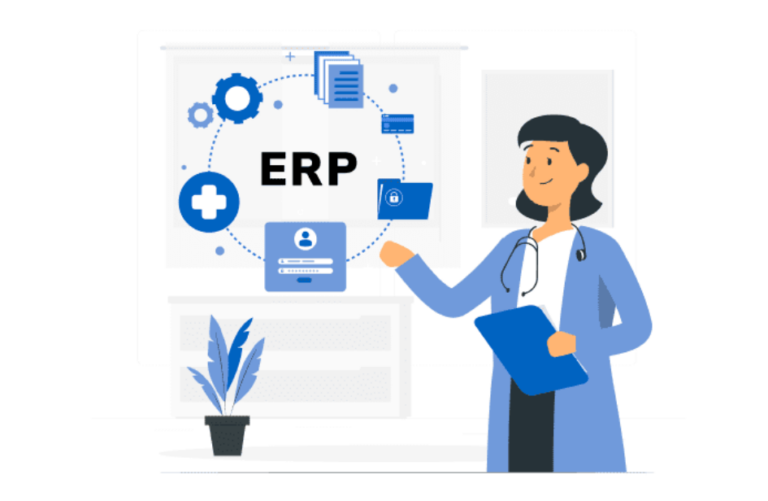
One of the most effective ways to achieve these goals is by implementing Enterprise Resource Planning (ERP) software. ERP systems integrate critical business functions—including production planning, inventory management, procurement, accounting, sales, quality control, and supply chain operations—into a single platform.
For manufacturers, choosing the best ERP software can mean the difference between operational excellence and costly inefficiencies.
In this comprehensive guide, we’ll explore the best ERP software for manufacturing companies in the USA, their key features, benefits, pricing considerations, and how to select the ideal solution for your business.
What Is ERP Software for Manufacturing?
ERP (Enterprise Resource Planning) software is a centralized business management system designed to connect various departments and processes.
For manufacturers, ERP software typically includes:
- Production Planning
- Inventory Management
- Supply Chain Management
- Procurement
- Financial Management
- Warehouse Management
- Quality Control
- Maintenance Management
- Sales and CRM
- Human Resources
Instead of managing separate software systems, ERP creates a unified ecosystem where data flows seamlessly across departments.
Why Manufacturing Companies Need ERP Software
1. Improved Production Efficiency
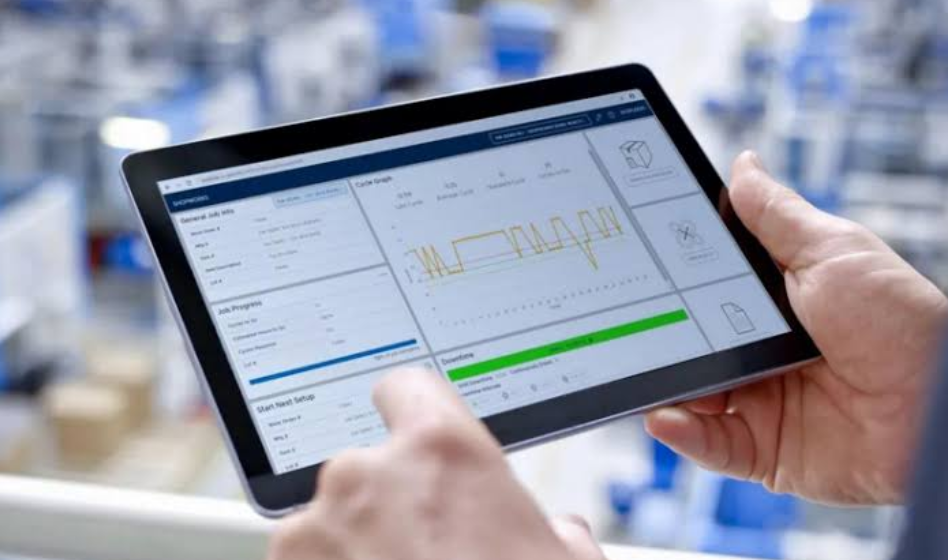
ERP automates scheduling, production planning, and resource allocation, reducing delays and bottlenecks.
2. Better Inventory Control
Real-time inventory visibility helps prevent stock shortages and overstock situations.
3. Enhanced Supply Chain Management
ERP systems provide complete visibility into suppliers, procurement, logistics, and delivery processes.
4. Increased Profitability
By minimizing waste and improving operational efficiency, manufacturers can significantly improve margins.
5. Regulatory Compliance
Manufacturing ERP software helps companies comply with industry regulations and quality standards.
Key Features to Look for in Manufacturing ERP Software
Before selecting an ERP solution, ensure it includes:
Production Planning
- Demand forecasting
- Capacity planning
- Work order management
- Shop floor scheduling
Inventory Management
- Barcode tracking
- Real-time inventory updates
- Multi-location management
Supply Chain Management
- Vendor management
- Procurement automation
- Logistics tracking
Financial Management
- General ledger
- Accounts payable
- Accounts receivable
- Budgeting
Quality Management
- Inspection tracking
- Non-conformance management
- Compliance reporting
Business Intelligence
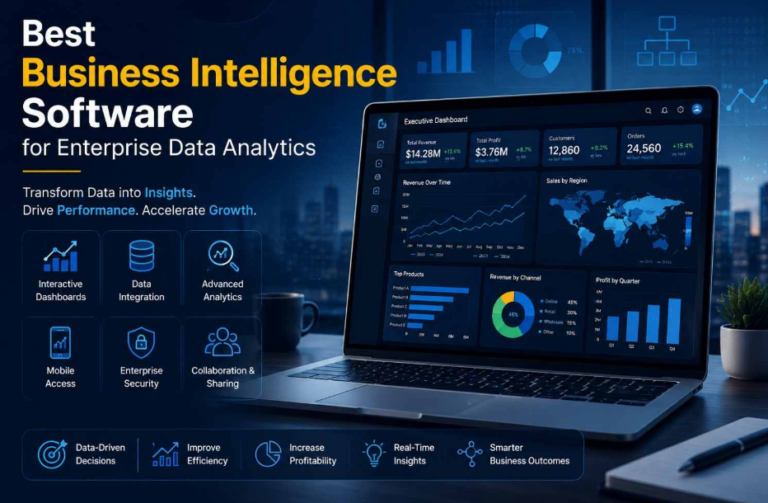
- Real-time dashboards
- KPI monitoring
- Predictive analytics

Top ERP Software for Manufacturing Companies in USA
1. SAP S/4HANA
Overview
SAP S/4HANA is one of the world’s leading ERP solutions for large manufacturing enterprises.
Key Features
- Advanced production planning
- Supply chain optimization
- AI-powered analytics
- Real-time reporting
- Global manufacturing support
Best For
Large enterprises with complex operations.
Pros
- Highly scalable
- Extensive functionality
- Strong global support
Cons
- Expensive implementation
- Requires expert consultants
2. Oracle NetSuite
Overview
NetSuite offers a cloud-native ERP platform popular among growing manufacturers.
Key Features
- Inventory management
- Demand planning
- Procurement automation
- Financial reporting
- CRM integration
Best For
Small to mid-sized manufacturers.
Pros
- Cloud-based
- Easy deployment
- Excellent reporting
Cons
- Customization can be costly
3. Microsoft Dynamics 365
Overview
Microsoft Dynamics 365 combines ERP and CRM functionality in a unified platform.
Key Features
- Production management
- Inventory tracking
- AI-powered insights
- Financial management
- Integration with Microsoft ecosystem
Best For
Mid-sized and enterprise manufacturers.
Pros
- Familiar interface
- Powerful analytics
- Strong integration
Cons
- Licensing complexity
4. Infor CloudSuite Industrial
Overview
Infor specializes in industry-specific ERP solutions, particularly for manufacturing.
Key Features
- Shop floor control
- Production scheduling
- Quality management
- Supply chain visibility
- Industry-specific workflows
Best For
Discrete and process manufacturers.
Pros
- Manufacturing-focused
- Strong scheduling tools
Cons
- Learning curve
5. Epicor Kinetic
Overview
Epicor Kinetic is designed specifically for manufacturers seeking operational efficiency.
Key Features
- MES integration
- Production planning
- Inventory management
- Cost tracking
- Predictive analytics
Best For
Medium-sized manufacturers.
Pros
- Manufacturing-centric
- Flexible deployment options
Cons
- Requires customization
6. Acumatica Manufacturing Edition
Overview
Acumatica has become increasingly popular among American manufacturers.
Key Features
- Cloud deployment
- Production management
- Financial management
- CRM integration
- Mobile accessibility
Best For
Growing manufacturing businesses.
Pros
- User-friendly
- Flexible pricing
Cons
- Fewer advanced enterprise features
7. SYSPRO
Overview
SYSPRO has served manufacturers for decades and offers robust industry-specific capabilities.
Key Features
- Inventory optimization
- Production scheduling
- Supply chain management
- Quality control
Best For
Small to mid-sized manufacturers.
Pros
- Industry expertise
- Affordable compared to enterprise ERP
Cons
- Interface feels dated
Cloud ERP vs On-Premise ERP
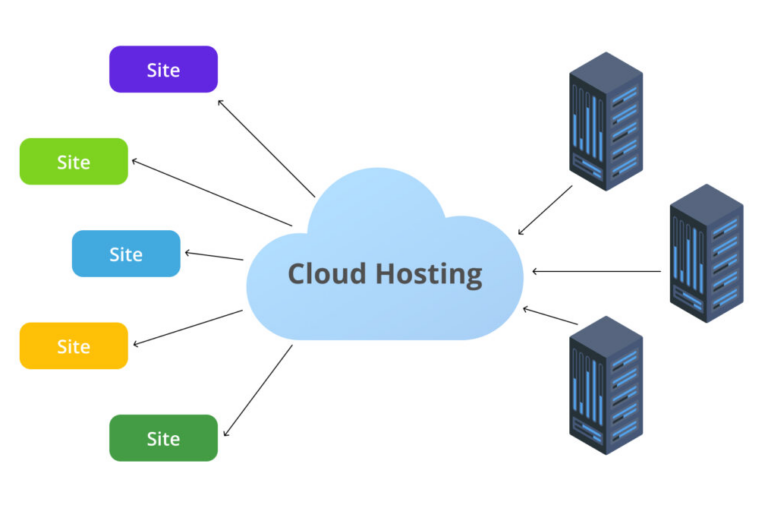
Cloud ERP Advantages
- Lower upfront costs
- Faster deployment
- Automatic updates
- Remote access
- Scalability
On-Premise ERP Advantages
- Greater customization
- Full data control
- Enhanced security options
Most manufacturers in 2026 are moving toward cloud-based ERP systems due to flexibility and lower infrastructure requirements.
ERP Benefits for Different Manufacturing Industries
Automotive Manufacturing
ERP helps manage:
- Parts inventory
- Supplier coordination
- Production scheduling
Aerospace Manufacturing
ERP supports:
- Compliance tracking
- Quality assurance
- Project management
Food Manufacturing
ERP assists with:
- Batch tracking
- Regulatory compliance
- Expiration management
Electronics Manufacturing
ERP improves:
- Component management
- Demand forecasting
- Supply chain visibility
How Much Does Manufacturing ERP Software Cost?
Pricing varies significantly based on company size and requirements.
Small Manufacturers
- $100–$500 per user/month
- Cloud subscriptions
Mid-Sized Manufacturers
- $25,000–$250,000 implementation
Large Enterprises
- $500,000 to several million dollars
Additional costs may include:
- Customization
- Training
- Data migration
- Consulting services
Common ERP Implementation Challenges
Data Migration
Transferring legacy data can be complex.
Employee Resistance
Staff may require significant training.
Budget Overruns
Poor planning often increases implementation costs.
Integration Issues
Existing software systems may require customization.
Best Practices for Successful ERP Implementation
Define Clear Goals
Identify measurable business objectives.
Create an ERP Team
Include stakeholders from:
- Operations
- Finance
- Production
- IT
Invest in Training
Proper training improves adoption rates.
Start with Core Modules
Implement essential functions first before expanding.
Monitor KPIs
Track metrics such as:
- Production efficiency
- Inventory turnover
- Order fulfillment rates
- Manufacturing costs

Future Trends in Manufacturing ERP
Artificial Intelligence
AI-powered forecasting and predictive maintenance are becoming standard.
Industrial IoT
Connected machines provide real-time production data.
Digital Twins
Virtual production models improve planning accuracy.
Predictive Analytics
ERP platforms increasingly predict:
- Equipment failures
- Inventory shortages
- Demand fluctuations
Automation
Manufacturers are automating repetitive processes using ERP-integrated workflows.
Which ERP Software Is Best for Your Manufacturing Business?
| Company Size | Recommended ERP |
|---|---|
| Small Manufacturer | Acumatica, NetSuite, SYSPRO |
| Mid-Sized Manufacturer | Epicor Kinetic, Dynamics 365 |
| Large Enterprise | SAP S/4HANA, Oracle ERP, Infor CloudSuite |
| Global Manufacturer | SAP S/4HANA |
| Fast-Growing Company | NetSuite, Acumatica |
Conclusion
Choosing the best ERP software for manufacturing companies in USA requires careful evaluation of your production processes, company size, budget, and growth plans.
For large enterprises, SAP S/4HANA and Oracle solutions remain industry leaders. Mid-sized manufacturers often find Epicor Kinetic and Microsoft Dynamics 365 to be excellent choices. Smaller manufacturers seeking affordability and flexibility should consider Acumatica, NetSuite, or SYSPRO.
The right ERP solution can streamline operations, improve inventory accuracy, optimize production planning, and ultimately increase profitability. As manufacturing continues to embrace automation, AI, and Industry 4.0 technologies, investing in a robust ERP platform has become a strategic necessity rather than a luxury.