In today’s digital economy, businesses rely heavily on technology to deliver products, services, and customer experiences. Whether you’re operating an eCommerce store, SaaS platform, corporate website, or enterprise application, your hosting infrastructure directly impacts performance, security, scalability, and profitability.
This is where cloud hosting services optimized for business growth become essential. Unlike traditional hosting solutions, cloud hosting provides flexible resources, superior uptime, enhanced security, and the ability to scale rapidly as business demands increase.
Organizations of all sizes are migrating to cloud-based environments because they offer the agility needed to compete in fast-moving markets. From startups seeking cost efficiency to enterprises requiring global infrastructure, cloud hosting has become the backbone of digital transformation.
This comprehensive guide explores how cloud hosting accelerates business growth, the key features to consider, benefits, implementation strategies, and best practices for maximizing ROI.
What Is Cloud Hosting?
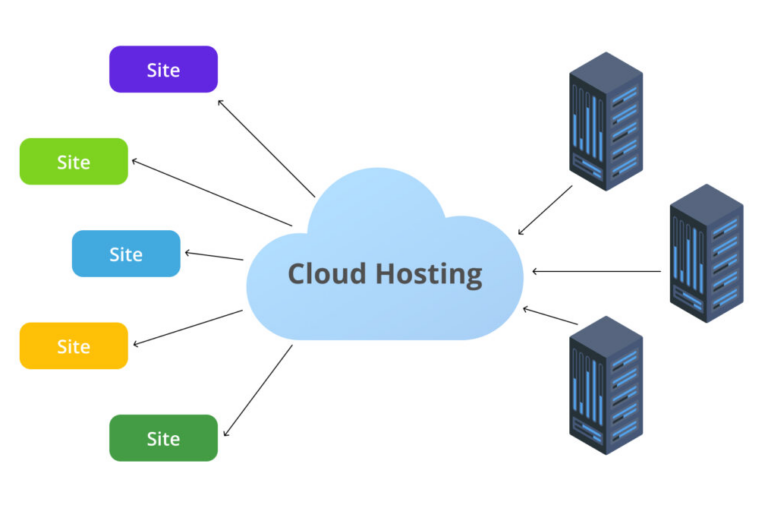
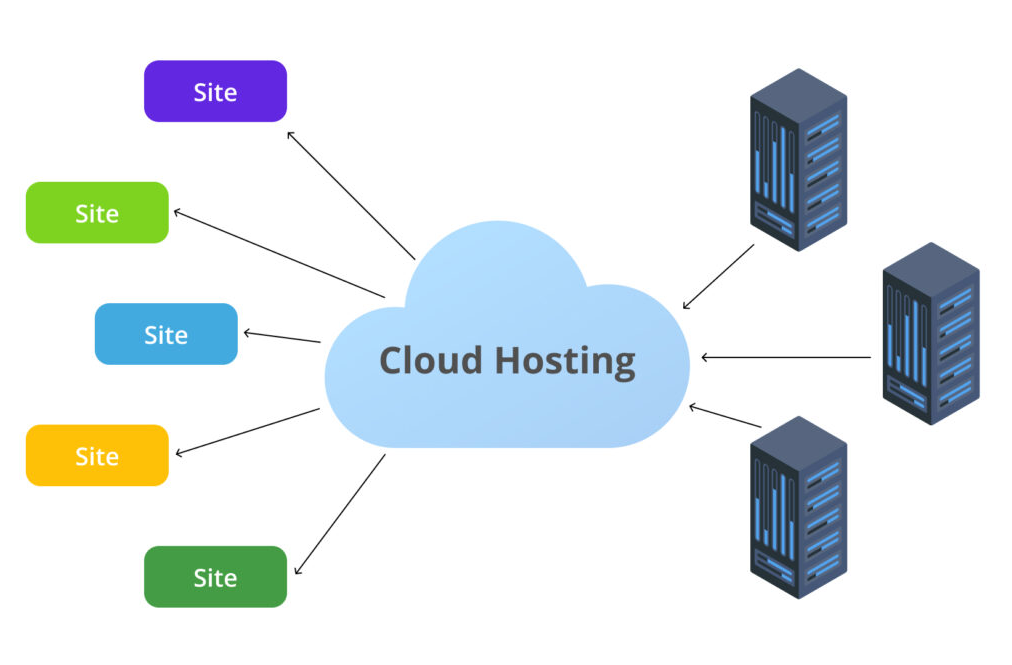
Cloud hosting is a web hosting solution that uses multiple interconnected servers instead of a single physical server.
Traditional hosting environments often rely on one machine. If that server fails, websites and applications become unavailable. Cloud hosting distributes workloads across a network of servers, creating redundancy and improving reliability.
Key characteristics include:
- On-demand resources
- High availability
- Automatic scaling
- Load balancing
- Enhanced security
- Disaster recovery capabilities
- Global accessibility
Cloud hosting allows businesses to pay only for the resources they consume, making it a cost-effective solution compared to maintaining expensive physical infrastructure.
Why Businesses Are Moving to Cloud Hosting
The business landscape has changed dramatically.
Modern organizations face challenges such as:
- Increasing website traffic
- Remote workforce requirements
- Cybersecurity threats
- Global customer bases
- Data-intensive applications
- Rising operational costs
Cloud hosting addresses these challenges by providing a flexible and scalable infrastructure that adapts to changing demands.
Key Business Drivers
1. Scalability
Businesses experience traffic fluctuations due to:
- Marketing campaigns
- Product launches
- Seasonal demand
- Viral content
Cloud hosting automatically adjusts resources to handle increased traffic without downtime.
2. Cost Efficiency
Companies avoid:
- Hardware purchases
- Data center maintenance
- Server upgrades
- Excess infrastructure investments
Instead, they use a pay-as-you-go model.
3. Reliability
Most cloud providers offer uptime guarantees exceeding 99.9%.
This reliability protects revenue and customer trust.
4. Security
Advanced cloud environments include:
- Firewalls
- DDoS protection
- Encryption
- Identity management
- Continuous monitoring

How Cloud Hosting Fuels Business Growth
Increased Website Performance
Website speed directly affects:
- User experience
- Conversion rates
- SEO rankings
- Customer satisfaction
Cloud hosting improves performance through:
- SSD storage
- Global CDN integration
- Resource optimization
- Load balancing
A faster website means higher engagement and improved sales opportunities.
Enhanced Customer Experience
Customers expect:
- Fast-loading pages
- Consistent availability
- Secure transactions
Cloud hosting helps businesses meet these expectations.
Benefits include:
- Faster response times
- Reduced latency
- Better application performance
- Reliable service delivery
Global Expansion Capabilities
Businesses increasingly serve international markets.
Cloud infrastructure enables deployment across multiple geographic regions, allowing users to access applications from the nearest server location.
Advantages include:
- Lower latency
- Better customer experience
- Improved international SEO
- Faster application delivery
Improved Business Continuity
Downtime can cost thousands of dollars per hour.
Cloud hosting minimizes disruptions through:
- Automated backups
- Redundant infrastructure
- Failover systems
- Disaster recovery solutions
This ensures critical business operations remain available.
Essential Features of Business Cloud Hosting
1. Auto Scaling
Auto scaling dynamically adjusts resources based on demand.
Benefits:
- Prevents server overload
- Reduces costs during low traffic periods
- Ensures smooth user experiences
2. Load Balancing
Load balancers distribute traffic across multiple servers.
Advantages:
- Improved performance
- Reduced bottlenecks
- Enhanced reliability
3. Managed Infrastructure
Managed cloud hosting providers handle:
- Server maintenance
- Security updates
- Performance optimization
- Monitoring
Businesses can focus on growth rather than technical administration.
4. Security and Compliance
Business-grade hosting includes:
- SSL certificates
- Data encryption
- Security monitoring
- Compliance support
Industries such as healthcare and finance particularly benefit from these features.
5. Backup and Recovery
Data protection is critical.
Cloud hosting solutions typically offer:
- Automated backups
- Point-in-time recovery
- Geographic redundancy
- Rapid restoration
Types of Cloud Hosting Solutions
Public Cloud
Resources are shared among multiple customers.
Benefits:
- Lower costs
- Easy deployment
- High scalability
Suitable for:
- Small businesses
- Startups
- Growing websites
Private Cloud
Dedicated infrastructure for a single organization.
Benefits:
- Greater control
- Enhanced security
- Regulatory compliance
Ideal for:
- Enterprises
- Financial institutions
- Healthcare organizations
Hybrid Cloud
Combines public and private cloud environments.
Advantages:
- Flexibility
- Cost optimization
- Enhanced security
Many large enterprises prefer hybrid architectures.
Multi-Cloud
Uses multiple cloud providers simultaneously.
Benefits:
- Reduced vendor dependency
- Improved resilience
- Enhanced performance
Cloud Hosting vs Traditional Hosting
| Feature | Traditional Hosting | Cloud Hosting |
|---|---|---|
| Scalability | Limited | Unlimited |
| Reliability | Moderate | High |
| Cost Efficiency | Lower flexibility | Pay-as-you-go |
| Uptime | Depends on one server | Multiple servers |
| Disaster Recovery | Limited | Advanced |
| Performance | Variable | Optimized |
| Expansion | Difficult | Easy |
Cloud hosting clearly provides significant advantages for businesses focused on growth.
Cloud Hosting for Different Business Types
eCommerce Businesses
Online stores require:
- Fast checkout processes
- High uptime
- Traffic surge management
Cloud hosting ensures seamless shopping experiences.
Benefits:
- Faster page loads
- Secure payment processing
- Inventory synchronization
SaaS Companies
Software-as-a-Service providers depend on:
- Continuous availability
- High performance
- Scalable infrastructure
Cloud hosting supports rapid customer growth without service disruptions.
Digital Agencies
Agencies often manage multiple client websites.
Cloud hosting provides:
- Centralized management
- Reliable performance
- Flexible resource allocation
Enterprise Organizations
Large corporations benefit from:
- Global infrastructure
- Advanced security
- Compliance management
- Disaster recovery
Key Security Benefits
Advanced Threat Protection
Modern cloud providers include:
- AI-powered monitoring
- Intrusion detection
- Malware scanning
- DDoS mitigation
Data Encryption
Encryption protects sensitive information:
- At rest
- In transit
- During backups
This helps maintain customer trust and regulatory compliance.
Access Control
Businesses can implement:
- Multi-factor authentication
- Role-based permissions
- Identity management
These controls reduce unauthorized access risks.

Cost Savings Through Cloud Hosting
Businesses often reduce IT expenses by eliminating:
Hardware Costs
No need to purchase:
- Servers
- Networking equipment
- Storage systems
Maintenance Expenses
Cloud providers manage:
- Hardware replacement
- Software updates
- Infrastructure monitoring
Energy Consumption
Organizations reduce:
- Electricity costs
- Cooling expenses
- Physical facility requirements
SEO Benefits of Cloud Hosting
Search engines prioritize user experience.
Cloud hosting improves SEO through:
Faster Page Speed
Google rewards faster websites.
Cloud infrastructure provides:
- Reduced server response times
- Optimized caching
- Global content delivery
Better Uptime
Downtime negatively impacts search rankings.
Reliable cloud environments improve:
- Crawlability
- User engagement
- Search visibility
Enhanced Mobile Performance
Mobile users expect fast-loading pages.
Cloud hosting supports:
- Responsive applications
- Optimized delivery
- Reduced latency
Emerging Trends in Cloud Hosting
Artificial Intelligence Integration
AI-powered cloud platforms provide:
- Predictive scaling
- Threat detection
- Resource optimization
- Performance analytics
Edge Computing
Edge computing processes data closer to users.
Benefits include:
- Lower latency
- Faster applications
- Improved user experiences
Green Cloud Hosting
Sustainability has become a business priority.
Many providers invest in:
- Renewable energy
- Carbon reduction initiatives
- Energy-efficient infrastructure
Serverless Computing
Serverless architectures allow businesses to:
- Deploy applications rapidly
- Reduce infrastructure management
- Pay only for actual usage
Choosing the Right Cloud Hosting Provider
Evaluate providers based on:
Performance
Look for:
- High-speed storage
- Global infrastructure
- CDN integration
Security
Ensure support for:
- Encryption
- Threat protection
- Compliance standards
Support
Business-critical applications require:
- 24/7 assistance
- Technical expertise
- Fast response times
Scalability
Select providers capable of supporting future growth.
Consider:
- Resource flexibility
- Geographic expansion
- Automation features
Cloud Migration Best Practices
Assess Existing Infrastructure
Identify:
- Applications
- Databases
- Dependencies
Create a Migration Strategy
Plan:
- Timelines
- Risks
- Testing procedures
Optimize After Migration
Continuously monitor:
- Performance
- Costs
- Security
Optimization ensures maximum business value.
Future Outlook of Business Cloud Hosting
The cloud hosting market continues expanding rapidly.
Businesses increasingly require:
- AI-driven infrastructure
- Enhanced cybersecurity
- Global scalability
- Automated operations
Cloud platforms will continue evolving to meet these demands while reducing operational complexity.
Organizations that embrace cloud technologies today position themselves for long-term competitiveness and sustainable growth.
Conclusion
Investing in cloud hosting services optimized for business growth is no longer optional for organizations seeking competitive advantages in the digital economy.
Cloud hosting delivers:
- Superior performance
- Scalability
- Security
- Reliability
- Cost efficiency
Whether you’re running an online store, SaaS platform, corporate website, or enterprise application, cloud hosting provides the foundation necessary to support expansion, improve customer experiences, and maximize profitability.
As technology continues to evolve, businesses leveraging modern cloud infrastructure will be better equipped to innovate, adapt, and thrive in increasingly competitive markets.