In today’s competitive business environment, organizations need powerful tools to manage projects efficiently while maintaining visibility into employee productivity and resource utilization. One solution that has become indispensable for companies of all sizes is project management software with time tracking.
Whether you run a small startup, a digital marketing agency, a software development company, or a large enterprise, integrating project management and time tracking into a single platform can dramatically improve workflow efficiency, budget control, team collaboration, and profitability.
This comprehensive guide explores everything you need to know about project management software with time tracking, including features, benefits, implementation strategies, best practices, and how to choose the right solution for your business.
What Is Project Management Software with Time Tracking?
Project management software with time tracking is a digital platform that combines traditional project management capabilities with integrated time-monitoring tools.
These systems allow teams to:
- Plan projects
- Assign tasks
- Set deadlines
- Monitor project progress
- Track billable hours
- Measure productivity
- Generate reports
- Manage resources
Instead of using separate applications for project management and time tracking, businesses can centralize operations into one integrated solution.
Why Businesses Need Time Tracking in Project Management
Many companies struggle with common challenges:
- Missed deadlines
- Budget overruns
- Poor resource allocation
- Lack of visibility into workloads
- Inaccurate client billing
Integrated time tracking solves these issues by providing real-time data on how work hours are spent.
Key Advantages
Improved Productivity
Employees become more aware of how they spend their time. Managers can identify bottlenecks and optimize workflows.
Accurate Project Costing
Time tracking reveals the true cost of each project, making future estimates more accurate.
Better Client Billing
For agencies and consultants, precise time logs ensure transparent invoicing and eliminate revenue leakage.
Enhanced Resource Planning
Managers can see team capacity and distribute workloads more effectively.
Data-Driven Decisions
Detailed reports help leadership make informed decisions about staffing, budgets, and project priorities.
Core Features of Project Management Software with Time Tracking
1. Task Management
Tasks form the foundation of every project.
Features typically include:
- Task creation
- Assignment management
- Due dates
- Prioritization
- Dependencies
- Progress tracking
Teams gain clear visibility into responsibilities and project milestones.
2. Built-In Time Tracking
Integrated timers allow users to track work directly from tasks.
Common capabilities include:
- Start/stop timers
- Manual time entry
- Automatic tracking
- Billable hours management
- Time categorization
This ensures accurate records without requiring separate software.
3. Project Planning Tools
Advanced planning capabilities may include:
- Gantt charts
- Kanban boards
- Agile sprint planning
- Milestone tracking
- Work breakdown structures
These tools help teams visualize project timelines and dependencies.
4. Team Collaboration
Successful projects require seamless communication.
Collaboration features often include:
- Team chat
- File sharing
- Comments
- Notifications
- Activity feeds
This reduces email clutter and improves communication efficiency.
5. Reporting and Analytics
Reporting provides valuable business insights.
Examples include:
- Time utilization reports
- Profitability analysis
- Employee productivity reports
- Budget tracking
- Resource allocation reports
Leaders can quickly identify trends and optimize operations.
6. Resource Management
Resource planning helps prevent employee burnout and project delays.
Managers can:
- Monitor workloads
- Balance assignments
- Forecast capacity
- Plan future hiring needs
This improves project delivery rates and employee satisfaction.

Benefits for Different Industries
Software Development Companies
Development teams often use Agile methodologies that require detailed tracking.
Benefits include:
- Sprint analysis
- Development cost monitoring
- Feature effort estimation
- Productivity measurement
Developers can track coding, testing, debugging, and deployment activities.
Marketing Agencies
Agencies rely heavily on billable hours.
Time tracking helps:
- Track campaign costs
- Invoice clients accurately
- Measure team efficiency
- Improve profitability
Managers gain visibility into project margins.
Consulting Firms
Consultants frequently bill clients based on hours worked.
Integrated software enables:
- Accurate billing
- Client transparency
- Resource optimization
- Performance evaluation
Construction Companies
Construction projects involve complex scheduling and labor management.
Benefits include:
- Workforce tracking
- Budget monitoring
- Job costing
- Progress reporting
Legal Firms
Law firms often charge clients by billable hours.
Time tracking supports:
- Case management
- Client billing
- Attorney productivity
- Compliance reporting
How Time Tracking Improves Project Success
Better Deadline Management
Managers can compare estimated versus actual hours.
This helps:
- Detect delays early
- Adjust schedules
- Improve forecasting
Projects stay on track more consistently.
Increased Accountability
Time logs create transparency across teams.
Employees understand expectations while managers gain visibility into progress.
This often leads to higher accountability and improved performance.
More Accurate Estimates
Historical data becomes a valuable asset.
Organizations can use previous projects to estimate:
- Labor costs
- Project timelines
- Resource requirements
Future planning becomes significantly more accurate.
Essential Features to Look For
When evaluating project management software with time tracking, prioritize these features:
User-Friendly Interface
Adoption depends heavily on usability.
Choose software that offers:
- Intuitive navigation
- Simple task creation
- Easy time entry
- Mobile accessibility
Automation Capabilities
Automation reduces administrative workload.
Useful automations include:
- Recurring tasks
- Workflow triggers
- Status updates
- Notifications
Automation improves efficiency across the organization.
Mobile Apps
Remote and hybrid work environments require mobile access.
A strong mobile application should support:
- Time tracking
- Task management
- Team communication
- Reporting access
Integrations
Software should integrate with existing business systems.
Popular integrations include:
- Accounting software
- CRM systems
- Communication platforms
- Cloud storage tools
This creates a connected technology ecosystem.
Security Features
Business data must remain protected.
Look for:
- Data encryption
- Two-factor authentication
- Role-based permissions
- Regular backups
Security should never be an afterthought.
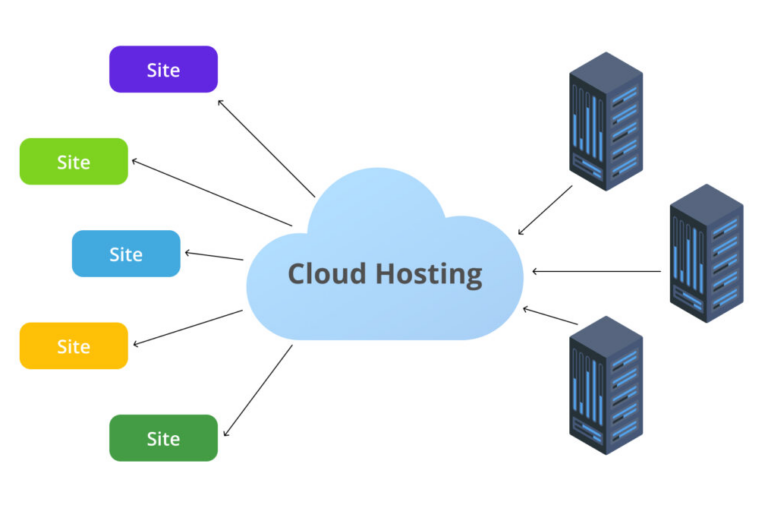
Cloud-Based vs On-Premise Solutions
Cloud-Based Software
Advantages:
- Lower upfront costs
- Automatic updates
- Remote accessibility
- Scalability
Disadvantages:
- Subscription fees
- Internet dependency
On-Premise Software
Advantages:
- Full control
- Internal hosting
- Custom security configurations
Disadvantages:
- Higher implementation costs
- Maintenance requirements
- Limited remote accessibility
Most modern businesses prefer cloud-based solutions due to flexibility and lower operational overhead.

The Role of AI in Project Management Software
Artificial intelligence is transforming project management.
AI-powered features now include:
- Predictive scheduling
- Workload balancing
- Risk analysis
- Resource forecasting
- Automated reporting
These capabilities help managers make proactive decisions rather than reacting to problems after they occur.
Remote Work and Time Tracking
Remote work has become standard for many organizations.
Project management software with time tracking supports distributed teams through:
- Real-time collaboration
- Visibility into workloads
- Performance monitoring
- Time zone management
Managers can oversee projects effectively regardless of employee location.
Common Mistakes When Implementing Time Tracking
Focusing on Monitoring Instead of Improvement
Time tracking should optimize workflows, not create a surveillance culture.
Employees should understand its purpose:
- Better planning
- Fair workload distribution
- Improved project outcomes
Ignoring Training
Without proper onboarding, adoption rates decline.
Provide:
- User training
- Documentation
- Best practices
- Ongoing support
Collecting Data Without Analysis
Time data becomes valuable only when organizations act on insights.
Review reports regularly and use findings to improve processes.
Best Practices for Success
Define Clear Objectives
Determine what you want to achieve:
- Higher productivity
- Better billing accuracy
- Improved forecasting
- Enhanced profitability
Goals guide implementation efforts.
Standardize Time Categories
Use consistent categories across projects.
Examples:
- Development
- Design
- Testing
- Meetings
- Administration
This improves reporting quality.
Review Reports Regularly
Weekly and monthly reviews help identify:
- Productivity trends
- Budget issues
- Resource constraints
- Process inefficiencies
Regular analysis supports continuous improvement.
Encourage Honest Reporting
Employees should feel comfortable recording actual hours worked.
Accurate data produces better business decisions.
Measuring Return on Investment
Businesses often see significant ROI after implementing project management software with time tracking.
Common benefits include:
Reduced Administrative Work
Automation saves hours previously spent on manual reporting.
Improved Resource Utilization
Managers allocate staff more efficiently.
Increased Revenue
Accurate billing captures all billable work.
Better Client Satisfaction
Projects stay on schedule and within budget.
Lower Operational Costs
Improved planning reduces waste and inefficiencies.
Future Trends
The future of project management software with time tracking includes:
AI-Powered Forecasting
Systems will predict project risks before they occur.
Advanced Analytics
Organizations will gain deeper performance insights.
Enhanced Automation
Routine management tasks will become increasingly automated.
Hybrid Work Optimization
Platforms will continue evolving to support distributed teams.
Real-Time Productivity Intelligence
Managers will receive actionable recommendations instantly.
How to Choose the Right Solution
Before purchasing software, consider:
Team Size
Choose a platform that scales with growth.
Industry Requirements
Different industries require specialized features.
Budget
Evaluate both short-term and long-term costs.
Ease of Use
User adoption is critical to success.
Reporting Needs
Ensure analytics align with business objectives.
Customer Support
Reliable support reduces implementation challenges.
Final Thoughts
Project management software with time tracking has become a critical business tool for organizations seeking greater efficiency, accountability, and profitability. By combining project planning, collaboration, resource management, and accurate time monitoring into a single platform, companies gain complete visibility into operations.
Whether managing internal projects, client work, remote teams, or enterprise initiatives, integrated time tracking provides the insights needed to improve productivity, control costs, and achieve strategic goals.
Businesses that embrace modern project management solutions are better positioned to compete, scale efficiently, and deliver successful projects consistently. Investing in the right project management software with time tracking can transform the way teams work and create measurable long-term value across the organization.