Modern retail is more competitive than ever. Consumers shop across multiple channels, including physical stores, e-commerce platforms, mobile applications, and social media marketplaces. Retailers that rely solely on intuition often struggle to keep pace with rapidly changing customer preferences and market trends.
This is where business intelligence software for retail analytics becomes a game-changing solution.
Business Intelligence (BI) software empowers retailers to collect, analyze, and visualize massive volumes of business data. Through advanced reporting, predictive analytics, and real-time dashboards, retailers can make informed decisions that improve revenue, customer satisfaction, inventory management, and operational efficiency.
In today’s data-driven economy, retail businesses that effectively leverage BI tools gain a significant competitive advantage. Whether you operate a small retail chain, a regional store network, or a multinational retail enterprise, implementing business intelligence solutions can dramatically improve business performance.
This comprehensive guide explores everything retailers need to know about business intelligence software for retail analytics, including features, benefits, use cases, implementation strategies, challenges, and future trends.
What Is Business Intelligence Software for Retail Analytics?
Business intelligence software refers to technology platforms designed to collect, process, analyze, and present business data in meaningful ways.
Retail analytics specifically focuses on analyzing retail-related data such as:
- Sales performance
- Customer behavior
- Inventory levels
- Product demand
- Pricing trends
- Marketing effectiveness
- Store operations
- Supply chain performance
Rather than manually reviewing spreadsheets, BI software automatically transforms raw data into actionable insights.
Retail managers can quickly answer questions like:
- Which products generate the highest profit?
- Which stores outperform others?
- What customer segments spend the most?
- Which marketing campaigns deliver the best ROI?
- What inventory should be reordered immediately?
The result is faster decision-making backed by accurate data.
Why Retail Businesses Need Business Intelligence
Retail environments generate enormous amounts of data daily.
Sources include:
- Point-of-sale systems
- E-commerce platforms
- CRM systems
- Loyalty programs
- Social media
- Mobile applications
- Supplier databases
- Warehouse management systems
Without proper analytics tools, valuable insights remain hidden.
Business intelligence software helps retailers:
Increase Revenue
Retailers can identify:
- Best-selling products
- High-performing locations
- Profitable customer segments
- Cross-selling opportunities
This enables targeted strategies that increase overall revenue.
Reduce Costs
BI solutions reveal:
- Overstock situations
- Slow-moving inventory
- Inefficient operations
- Unnecessary expenses
Reducing waste directly improves profitability.
Improve Customer Experience
Retail analytics provides insights into:
- Shopping behavior
- Purchase frequency
- Customer preferences
- Personalization opportunities
Better experiences lead to higher retention rates.
Support Strategic Planning
Executives gain a comprehensive overview of business performance, helping them:
- Forecast demand
- Plan expansions
- Allocate budgets
- Manage risks
Key Features of Retail Business Intelligence Software
The best business intelligence software for retail analytics typically includes the following capabilities.
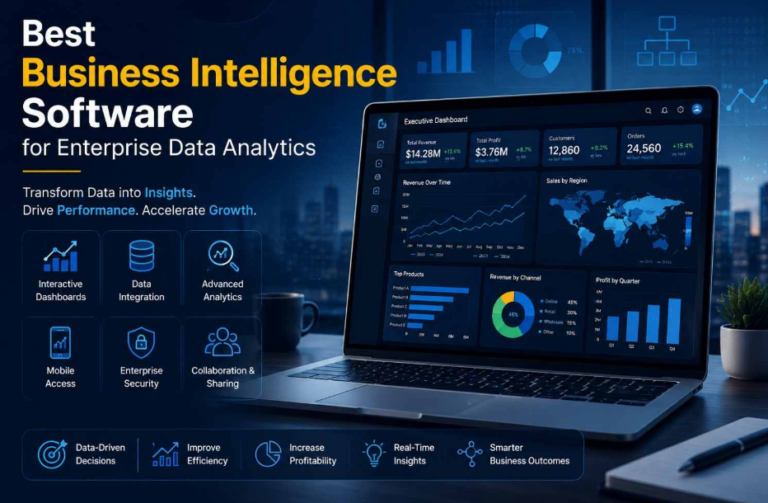
Real-Time Dashboards
Real-time dashboards provide instant visibility into:
- Sales performance
- Store traffic
- Revenue trends
- Inventory status
Managers can monitor business performance continuously.
Data Visualization
Visual reports simplify complex datasets using:
- Charts
- Graphs
- Heat maps
- KPI scorecards
- Interactive dashboards
Visualization improves understanding and decision-making.
Sales Analytics
Sales analytics helps retailers track:
- Revenue growth
- Product performance
- Seasonal trends
- Customer purchasing patterns
Retail leaders can quickly identify growth opportunities.
Customer Analytics
Customer-focused insights include:
- Demographic segmentation
- Customer lifetime value
- Purchase history
- Churn prediction
- Loyalty analysis
These insights support personalized marketing efforts.
Inventory Analytics
Inventory intelligence helps optimize stock levels by analyzing:
- Inventory turnover
- Demand forecasting
- Reorder points
- Supplier performance
This minimizes stockouts and overstock situations.
Predictive Analytics
Predictive models use historical data to forecast:
- Future sales
- Demand spikes
- Seasonal trends
- Customer behavior
Retailers can proactively prepare for market changes.
Mobile Accessibility
Modern BI solutions provide mobile apps allowing managers to access analytics anytime and anywhere.

Major Benefits of Business Intelligence Software for Retail Analytics
Enhanced Decision-Making
Data-driven decisions outperform assumptions.
Retail leaders gain confidence because decisions are based on measurable facts rather than guesswork.
Better Inventory Management
Inventory optimization helps retailers:
- Reduce carrying costs
- Improve cash flow
- Prevent stock shortages
- Minimize dead stock
Efficient inventory management increases profitability.
Improved Marketing ROI
Analytics identifies:
- High-converting campaigns
- Effective customer segments
- Successful channels
Marketing budgets can be allocated more effectively.
Increased Customer Retention
Retail analytics uncovers customer behavior patterns that support:
- Personalized offers
- Loyalty rewards
- Targeted promotions
Satisfied customers are more likely to return.
Greater Operational Efficiency
BI solutions reveal bottlenecks across operations, including:
- Staffing issues
- Supply chain delays
- Underperforming stores
Managers can address problems quickly.
Retail Analytics Use Cases
Sales Performance Monitoring
Retail executives can track:
- Daily sales
- Weekly trends
- Monthly growth
- Year-over-year comparisons
Real-time reporting allows rapid intervention when sales decline.
Product Performance Analysis
BI tools help identify:
- Best sellers
- Low performers
- Seasonal products
- Emerging trends
Retailers can optimize product assortments accordingly.
Customer Segmentation
Analytics platforms classify customers based on:
- Spending habits
- Frequency of purchases
- Product preferences
- Geographic location
Personalized marketing becomes more effective.
Omnichannel Analytics
Modern consumers shop through multiple channels.
Retail BI software combines data from:
- Physical stores
- Online stores
- Mobile commerce
- Social commerce
This provides a complete customer journey view.
Demand Forecasting
Forecasting models help retailers prepare for:
- Holiday shopping seasons
- Promotional events
- Market fluctuations
- Product launches
Accurate forecasts improve planning.
How BI Software Improves Inventory Optimization
Inventory is often one of the largest expenses for retailers.
Poor inventory management leads to:
- Excess carrying costs
- Stockouts
- Lost sales
- Customer dissatisfaction
Business intelligence software helps by:
Monitoring Inventory Turnover
Managers can identify products moving too slowly.
Forecasting Demand
Predictive models estimate future inventory needs.
Managing Reorder Points
Automated alerts ensure timely replenishment.
Improving Supplier Management
Performance metrics help evaluate suppliers based on:
- Delivery speed
- Product quality
- Reliability
The result is a more efficient supply chain.
Customer Analytics and Personalization
Customer expectations continue to rise.
Retailers must provide personalized experiences.
Business intelligence software enables:
Customer Lifetime Value Analysis
Identify the most profitable customers.
Purchase Pattern Analysis
Understand buying behavior across different segments.
Churn Prediction
Detect customers at risk of leaving.
Personalized Promotions
Deliver relevant offers based on customer preferences.
These capabilities significantly improve customer engagement.
Retail KPIs Measured by BI Software
Effective retail analytics tracks critical KPIs including:
| KPI | Description |
|---|---|
| Revenue Growth | Measures sales expansion |
| Gross Profit Margin | Evaluates profitability |
| Inventory Turnover | Assesses stock efficiency |
| Customer Retention Rate | Measures loyalty |
| Average Transaction Value | Indicates customer spending |
| Conversion Rate | Tracks sales effectiveness |
| Customer Lifetime Value | Measures long-term profitability |
| Stockout Rate | Monitors inventory shortages |
| Return Rate | Evaluates product satisfaction |
| Sales Per Square Foot | Measures store productivity |
These metrics help retailers maintain operational excellence.
Artificial Intelligence in Retail Business Intelligence
Modern BI platforms increasingly incorporate AI capabilities.
AI-powered analytics can:
- Detect trends automatically
- Generate forecasts
- Identify anomalies
- Recommend actions
- Predict customer behavior
Machine learning continuously improves accuracy as more data becomes available.
Retailers using AI-driven BI solutions gain faster and more accurate insights.
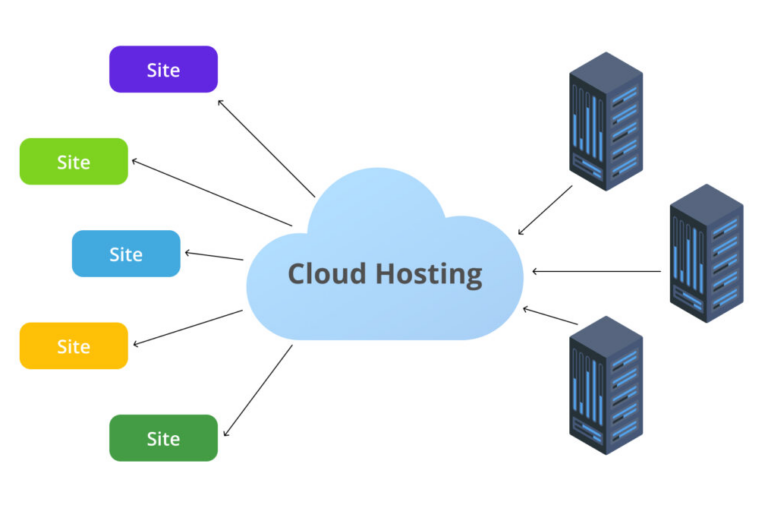
Cloud-Based Business Intelligence Solutions
Cloud BI platforms have become increasingly popular due to:
Lower Costs
No expensive infrastructure is required.
Scalability
Businesses can easily expand analytics capabilities.
Accessibility
Employees can access dashboards from any location.
Faster Deployment
Cloud solutions typically require less implementation time.
Many modern retailers prefer cloud BI because of its flexibility and cost-effectiveness.
Choosing the Best Business Intelligence Software for Retail Analytics
When evaluating BI solutions, consider the following factors.
Ease of Use
The software should be user-friendly and intuitive.
Integration Capabilities
Ensure compatibility with:
- POS systems
- CRM platforms
- ERP software
- E-commerce platforms
Scalability
Choose software that can grow alongside your business.
Security
Data protection should include:
- Encryption
- Access controls
- Compliance certifications
Reporting Features
Look for:
- Custom dashboards
- Interactive reports
- Automated reporting
Predictive Analytics
Advanced forecasting capabilities provide additional business value.
Common Challenges in Retail Analytics
Despite its benefits, BI implementation may face challenges.
Data Quality Issues
Incomplete or inaccurate data reduces analytical effectiveness.
Data Silos
Disconnected systems can limit visibility.
User Adoption
Employees may resist new technologies.
Integration Complexity
Connecting multiple data sources requires planning.
Security Concerns
Sensitive customer information must be protected.
Successful implementations address these challenges proactively.

Future Trends in Retail Business Intelligence
The future of retail analytics continues evolving rapidly.
Key trends include:
AI-Powered Insights
Automated recommendations will become increasingly sophisticated.
Real-Time Analytics
Decision-makers will receive instant actionable insights.
Embedded Analytics
Analytics capabilities will integrate directly into retail applications.
Advanced Personalization
Customer experiences will become highly individualized.
Predictive Supply Chains
Forecasting systems will optimize inventory and logistics automatically.
IoT Integration
Connected devices will generate additional retail intelligence.
Retailers embracing these innovations will remain competitive in the coming years.
Best Practices for Successful BI Implementation
To maximize ROI:
Define Clear Objectives
Identify specific business goals before implementation.
Ensure Data Accuracy
Maintain clean and consistent datasets.
Train Employees
Provide comprehensive user training.
Start Small
Begin with high-impact analytics projects.
Monitor KPIs Continuously
Track performance improvements regularly.
Encourage Data-Driven Culture
Promote decision-making based on evidence rather than assumptions.
Conclusion
Business intelligence software for retail analytics has become an essential technology for modern retailers seeking sustainable growth and competitive advantage.
By transforming raw data into meaningful insights, BI platforms help organizations:
- Increase revenue
- Improve customer experiences
- Optimize inventory
- Enhance operational efficiency
- Strengthen strategic planning
As artificial intelligence, predictive analytics, and cloud technologies continue advancing, the value of retail business intelligence will only grow.
Retailers that invest in robust BI solutions today position themselves for greater profitability, agility, and long-term success in an increasingly data-driven marketplace.
FAQ
What is business intelligence software for retail analytics?
It is software that collects, analyzes, and visualizes retail data to support better business decisions.
How does retail analytics improve profitability?
It identifies sales opportunities, optimizes inventory, reduces costs, and improves customer retention.
Is business intelligence software suitable for small retailers?
Yes. Many cloud-based BI platforms are affordable and scalable for small businesses.
What data sources can retail BI software analyze?
POS systems, CRM databases, inventory systems, e-commerce platforms, loyalty programs, and marketing tools.
Does BI software support predictive analytics?
Yes. Many modern solutions use machine learning and AI to forecast future trends and customer behavior.